
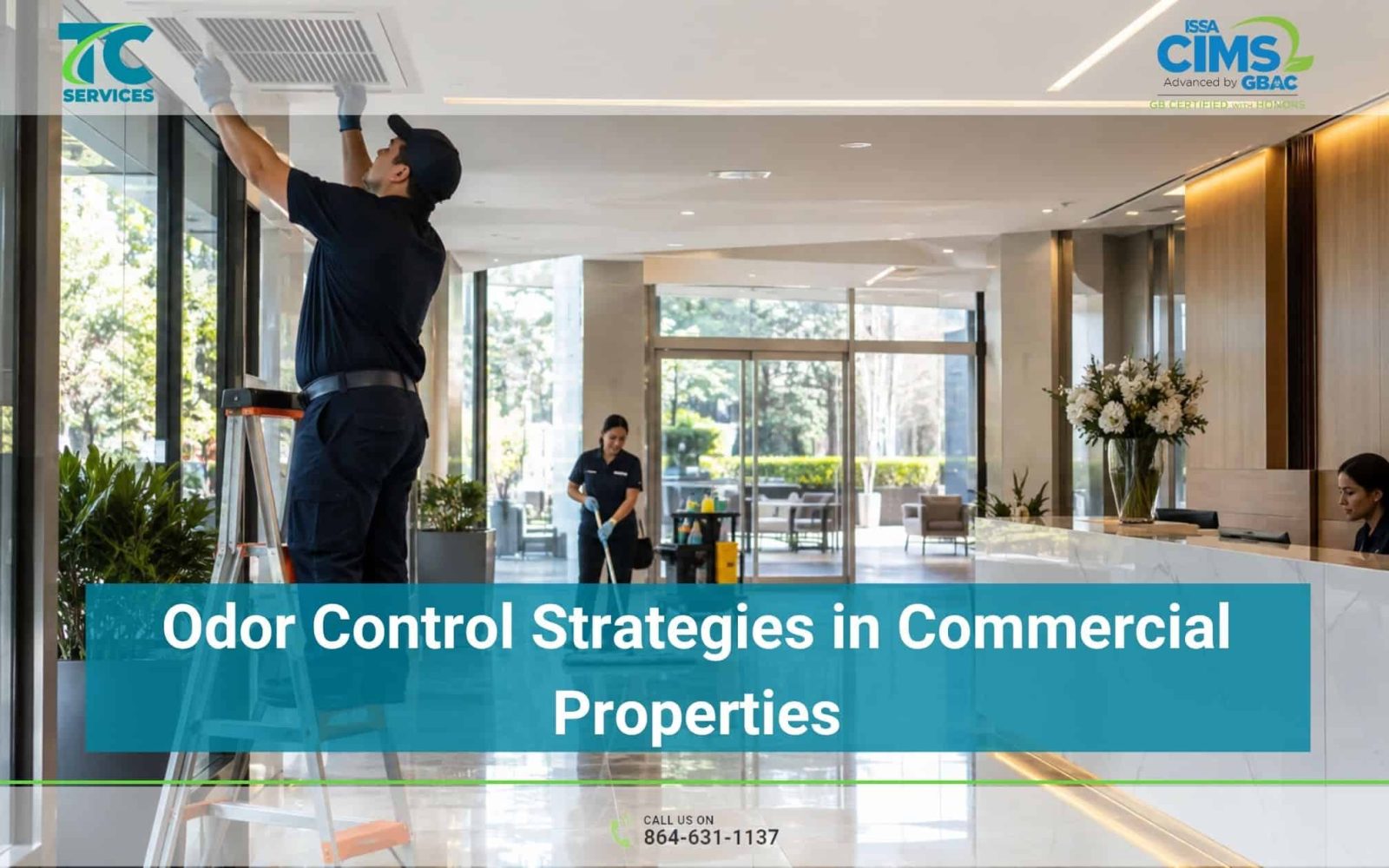
Have you ever walked into a commercial property and noticed a bad smell right away? Unpleasant odors can affect how customers, employees, and visitors feel about a space. They can come from trash, restrooms, carpets, spills, moisture, and other common sources. With the right odor control strategies, businesses can remove the source of bad smells and help keep their properties clean and fresh. Regular commercial cleaning and proper maintenance can also prevent odors from becoming an ongoing problem.
Why Odor Control Matters in Commercial Properties
How Unpleasant Odors Affect Employees and Visitors
Unpleasant odors can quickly change how people feel about a commercial space. Employees may find it harder to stay comfortable in areas with strong or lingering smells. Customers and visitors may also view bad odors as a sign that a property is not being cleaned properly. This can affect the overall impression of an office, store, restaurant, or other commercial facility. Odors in restrooms, lobbies, break rooms, and shared spaces are often noticed right away. Keeping these areas clean can help create a more comfortable and professional environment.
The Connection Between Cleanliness and Indoor Odors
Many indoor odors are connected to dirt, waste, spills, and moisture that have not been cleaned properly. Food residue, dirty floors, trash, and buildup in restrooms can all create noticeable smells over time. Regular cleaning helps remove these sources before odors become stronger. It also helps prevent dirt and residue from spreading into other areas of the property. Good cleaning practices should focus on the actual source of the smell rather than simply covering it with fragrance. A cleaner facility is generally easier to keep fresh and comfortable.
Common Odor Problems Across Commercial Facilities
Commercial properties can experience odors from many different areas and materials. Restrooms, trash bins, break rooms, carpets, drains, and upholstered furniture are common sources. Gyms may deal with odors from locker rooms and equipment, while restaurants may have food, grease, and waste-related smells. Offices can also develop odors from food, spills, dirty carpet, and poor airflow. Industrial facilities may experience smells connected to dust, equipment, waste, or production areas. Identifying the specific source is important before choosing the right cleaning method.
Identify and Eliminate Common Sources of Commercial Odors
Restrooms, Trash Areas, and Break Rooms
Restrooms can develop odors from toilets, urinals, drains, floors, and trash bins. These areas need regular cleaning because they are used frequently throughout the day. Trash areas can also produce strong smells when food, liquids, or other waste remain in bins for too long. Break rooms may develop odors from leftover food, spills, sinks, refrigerators, and microwaves. Emptying trash regularly and cleaning surfaces can help keep these spaces under control. Paying close attention to these areas can prevent odors from spreading into nearby rooms.
Carpets, Upholstery, and Other Porous Surfaces
Carpets and upholstered surfaces can hold dirt, moisture, food particles, and other materials that cause odors. These materials can absorb smells below the surface, which makes them harder to remove with basic cleaning. Regular vacuuming can help reduce loose dirt and debris. Deep cleaning may be needed when odors remain or when heavy buildup is present. High-traffic areas often require more frequent carpet and upholstery care because they collect more dirt. Keeping porous surfaces clean can help reduce lingering smells throughout a facility.
Moisture, Mold, and Poor Ventilation
Moisture can create musty odors in commercial properties, especially when wet areas are not dried quickly. Leaks, damp carpets, standing water, and humid spaces can all contribute to odor problems. Suspected mold may also produce noticeable smells and should be handled with the proper assessment and remediation when needed. Poor ventilation can make these odors worse by allowing stale air to remain inside the building. Wet materials should be dried and the source of moisture should be corrected as soon as possible. Good airflow and proper maintenance can help reduce these problems.
Effective Odor Control Strategies for Commercial Properties
Establish Consistent Cleaning and Janitorial Routines
A regular janitorial routine can help prevent odor problems before they become noticeable. Daily tasks may include emptying trash cans, cleaning restrooms, wiping surfaces, vacuuming carpets, and mopping floors. Break rooms and shared spaces should also be cleaned often because food and waste can build up quickly. Cleaning frequency should match the amount of traffic each area receives. Busy facilities may need more frequent service than smaller or less active properties. A consistent routine helps make odor control part of regular facility maintenance.
Use Proper Cleaning Products and Odor-Neutralizing Methods
Different odor sources require different cleaning methods and products. Cleaning solutions should be suitable for the surface being cleaned and used according to their instructions. Businesses should focus on removing the residue or buildup that is causing the smell. This may include cleaning floors, washing trash containers, disinfecting appropriate surfaces, or deep cleaning carpets. Odor-neutralizing products can also be useful in some situations when used correctly. The goal should be to address the source rather than simply cover the odor with a stronger scent.
Improve Ventilation and Indoor Air Circulation
Good ventilation can help reduce stale air and keep odors from building up inside a commercial property. Air vents should remain clear so air can move properly throughout the space. HVAC filters should also be replaced according to the building system’s maintenance schedule. Proper airflow is especially important in restrooms, break rooms, and other areas where odors are more common. Ventilation alone will not remove dirt, spills, or waste that causes smells. It works best when combined with regular cleaning and proper building maintenance.
Prevent Odors With Routine Commercial Cleaning
Schedule Regular Carpet and Floor Cleaning
Floors collect dirt, moisture, food particles, and other debris throughout the day. High-traffic areas such as entrances, hallways, and restrooms can develop buildup more quickly. Routine vacuuming, sweeping, and mopping help manage everyday dirt and reduce odor sources. Carpets and other flooring may also need periodic deep cleaning depending on traffic and material type. Professional floor care can help address buildup that regular maintenance may not remove. Keeping floors clean can support both odor control and the overall appearance of a property.
Maintain Restrooms and High-Traffic Areas
Restrooms and high-traffic areas need regular attention because they can become dirty quickly. Toilets, sinks, counters, floors, partitions, and trash bins should be included in routine restroom cleaning. Entrances, elevators, lobbies, and hallways can also collect dirt and moisture throughout the day. These areas may need more frequent cleaning when a facility has heavy daily traffic. Regular inspections can help staff identify spills, overflowing bins, and other issues early. Consistent maintenance helps keep busy areas cleaner and reduces the chance of odors developing.
Address Spills, Waste, and Moisture Quickly
Spills should be cleaned as soon as possible to prevent stains and lingering odors. Food, drinks, and other liquids can soak into carpets, flooring, or furniture if they are left untreated. Trash should also be removed regularly, especially when bins contain food or wet waste. Waste containers may need to be cleaned when residue or liquids collect inside. Moisture from leaks or wet flooring should be dried quickly and the source of the problem should be identified. Fast cleanup can help stop small odor problems from becoming more difficult to manage.
Keep Your Commercial Property Fresh With Professional Cleaning Services
Benefits of a Customized Commercial Cleaning Plan
Every commercial property has different cleaning needs based on its size, layout, traffic, and daily operations. A customized cleaning plan can focus on the areas that need the most attention. Offices may require regular restroom cleaning, trash removal, and carpet care, while industrial facilities may need more detailed floor cleaning. Cleaning frequency can also be adjusted based on how often each part of the property is used. This helps avoid both missed tasks and unnecessary service. A customized plan can make ongoing cleaning more organized and consistent.
When to Call Professional Commercial Cleaners
Professional cleaners may be helpful when routine in-house cleaning is not enough to control odors. Persistent smells, heavily soiled carpets, dirty floors, or high-traffic areas may require deeper cleaning. Larger properties may also need more support than employees can provide during normal work hours. Professional cleaners can use equipment and methods designed for commercial janitorial services. They can also help create a more consistent cleaning schedule across different areas of a facility. However, building repairs or specialized issues such as major leaks, serious mold concerns, or HVAC problems may require separate services.
Building a Consistent Facility Cleaning Program
A consistent facility cleaning program can help businesses manage odors before they become ongoing problems. Property managers can identify areas that need daily, weekly, or periodic cleaning based on their use. The program may include restroom care, trash removal, floor maintenance, carpet cleaning, and routine cleaning of shared spaces. TC Services provides commercial cleaning and janitorial solutions for a range of commercial properties. A structured cleaning program can help make sure important areas receive regular attention. This approach supports a cleaner and more comfortable space for employees, customers, and visitors.
Don’t let bad odors linger—let TC Services clear the air.
Keeping odors under control is an important part of maintaining a clean and comfortable commercial property. Regular cleaning, proper waste removal, floor care, and quick attention to spills and moisture can help prevent unwanted smells. A consistent cleaning plan also helps address odor sources before they become larger problems. TC Services provides professional commercial cleaning solutions tailored to the needs of different facilities. Contact us today to discuss a cleaning plan that can help keep your commercial property clean and fresh.
