
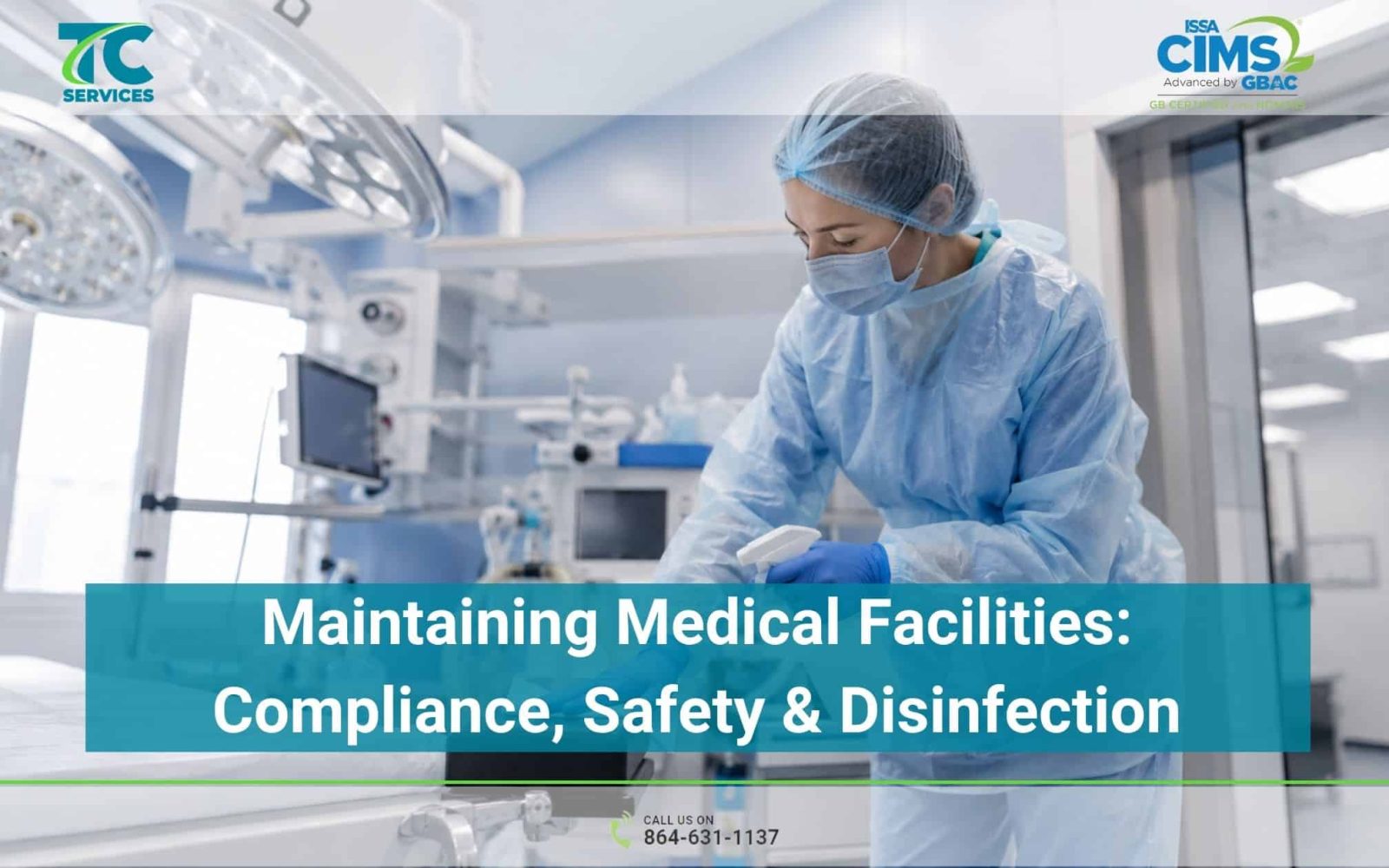
Keeping a medical facility clean is about more than making it look presentable. Every surface, room, and shared space needs proper care to help protect patients, staff, and visitors. Medical facilities must also follow strict cleaning, safety, and disinfection standards to maintain a safe environment. A clear cleaning plan can help reduce cross-contamination and support compliance with healthcare requirements. In this guide, we’ll cover the key practices for maintaining medical facilities with a focus on compliance, safety, and effective disinfection.
Why Proper Medical Facility Maintenance Matters
Protecting Patients, Staff, and Visitors
Medical facilities serve people who may be more vulnerable to infections, making proper cleaning an important part of daily operations. Regular cleaning and disinfection help remove dirt, germs, and other contaminants from frequently used spaces. Cleaning teams should pay close attention to patient rooms, waiting areas, restrooms, treatment areas, and shared surfaces. Proper procedures also help create safer working conditions for doctors, nurses, support staff, and cleaning personnel. A consistent medical facility maintenance plan helps protect everyone who enters the building.
Reducing the Spread of Pathogens and Cross-Contamination
Pathogens can move from one surface or area to another through hands, equipment, cleaning tools, and other forms of contact. High-touch surfaces such as door handles, light switches, counters, bed rails, and restroom fixtures require regular attention. Cleaning teams should follow established procedures for cleaning and disinfecting these areas. Using separate tools for different zones can also help reduce cross-contamination between spaces. Consistent cleaning practices support infection prevention efforts throughout the medical facility.
Supporting a Clean and Professional Healthcare Environment
A clean medical facility helps create a welcoming and professional environment for patients, visitors, and staff. Floors, waiting rooms, restrooms, exam rooms, and other common areas should be maintained throughout the day. Visible dirt, overflowing waste bins, and poorly maintained surfaces can affect how people view the facility. Regular cleaning helps keep these spaces ready for daily use while supporting overall hygiene. A well-maintained environment also shows that the facility takes cleanliness and patient care seriously.
Meeting Healthcare Cleaning and Compliance Standards
Following CDC and OSHA Guidelines
Medical facility cleaning procedures should follow applicable guidance and requirements from the CDC and OSHA. These standards help facilities manage exposure to infectious materials, workplace hazards, and other health and safety concerns. Cleaning teams should understand proper disinfection procedures, personal protective equipment requirements, and safe handling practices for cleaning products and contaminated materials. Procedures should also be reviewed as applicable guidance and workplace requirements change. Following established standards helps healthcare facilities maintain safer and more consistent cleaning practices.
Bloodborne Pathogen and Biohazard Safety
Medical cleaning teams may encounter blood, bodily fluids, sharps, and other potentially infectious materials while performing their duties. Proper bloodborne pathogen training helps workers understand how to reduce exposure and respond safely when incidents occur. Appropriate personal protective equipment should be used based on the task and potential exposure. Biohazardous materials must also be handled and disposed of according to applicable safety procedures and regulations. Clear protocols help protect cleaning staff, healthcare workers, patients, and visitors from unnecessary exposure.
Cleaning Documentation, Training, and Protocol Compliance
Clear documentation helps medical facilities keep track of cleaning tasks, schedules, procedures, and staff responsibilities. Checklists and cleaning logs can help confirm that required areas are addressed at the right frequency. Cleaning personnel should also receive healthcare-specific training for the tasks they perform. Ongoing training helps teams understand current procedures, equipment use, chemical handling, and safety requirements. Regular reviews can help identify missed tasks and areas where cleaning procedures need improvement.
Essential Cleaning and Disinfection Practices for Medical Facilities
Cleaning and Disinfecting High-Touch Surfaces
High-touch surfaces require frequent cleaning because they are handled by many people throughout the day. These surfaces may include door handles, elevator buttons, light switches, bed rails, counters, faucets, and shared equipment. Cleaning removes visible dirt and other material before disinfectants are applied when required. Staff should follow facility procedures and product instructions to make sure each surface is treated correctly. A consistent approach to high-touch surface cleaning can help limit the transfer of pathogens within the facility.
Using Hospital-Grade Disinfectants and Proper Contact Times
Selecting the right disinfectant is an important part of medical facility cleaning. Facilities should use EPA-registered disinfectants that are appropriate for the target pathogens, surfaces, and healthcare setting. Cleaning staff must follow product label directions, including dilution, application, safety precautions, and required contact time. A disinfectant may not work as intended if it is wiped away before the surface remains wet for the specified amount of time. Proper product use helps facilities carry out disinfection safely and effectively.
Preventing Cross-Contamination Between Facility Areas
Cleaning tools and equipment can transfer contaminants if they are used in multiple areas without proper controls. Facilities can reduce this issue by assigning tools to specific zones and following a clear cleaning sequence. Staff should generally move from cleaner areas toward more contaminated areas based on facility protocols. Reusable tools should be cleaned and disinfected according to established procedures before being used again. These steps help prevent contaminants from being carried from one room or surface to another.
Maintaining High-Risk and Specialized Areas
Patient Rooms, Exam Rooms, and Waiting Areas
Patient rooms, exam rooms, and waiting areas each require cleaning procedures based on how the spaces are used. Exam tables, chairs, counters, door handles, and other frequently touched surfaces may need attention between patients or at scheduled intervals. Waiting areas also require regular cleaning because many patients and visitors share the same seating and surfaces. Cleaning schedules should account for traffic levels, facility policies, and the type of care provided. Consistent maintenance helps keep these spaces clean and ready for patients, visitors, and staff.
Surgical Centers and Terminal Cleaning
Surgical and procedural areas require detailed cleaning because of the nature of the care provided in these spaces. Cleaning teams must follow facility-specific protocols for surfaces, equipment, floors, and other areas that may become contaminated. Terminal cleaning involves thorough cleaning and disinfection of designated spaces after certain procedures, patient discharges, or other situations defined by facility protocols. Staff responsible for these tasks should be trained in the correct procedures and use appropriate products and protective equipment. Careful cleaning supports infection prevention practices in surgical centers and other high-risk healthcare environments.
Restrooms, Floors, and Other High-Traffic Areas
Restrooms, hallways, entrances, and other high-traffic areas can quickly collect dirt and contaminants throughout the day. These areas should be cleaned at a frequency that matches the amount of traffic and facility needs. Restroom fixtures, door handles, dispensers, and other touchpoints require particular attention. Floors should also be maintained using suitable cleaning methods and products for the surface type and setting. Regular inspections can help cleaning teams identify spills, waste, and other issues that need immediate attention.
Building an Effective Medical Facility Cleaning Program
Establishing Cleaning and Disinfection Schedules
A clear schedule helps cleaning teams know what needs to be cleaned, how often it should be done, and who is responsible for each task. Facilities can set cleaning frequencies based on room use, traffic, contamination risk, and applicable guidelines. High-touch surfaces and high-traffic areas may require more frequent cleaning than low-use spaces. Schedules should also account for routine cleaning, disinfection, periodic deep cleaning, and terminal cleaning when applicable. Reviewing the schedule regularly helps facilities adjust their cleaning program as needs change.
Training Cleaning Teams on Healthcare-Specific Procedures
Healthcare cleaning requires training that goes beyond basic janitorial work. Staff should understand infection prevention practices, bloodborne pathogen precautions, chemical safety, personal protective equipment, and proper cleaning methods. Training should also cover facility-specific procedures for patient areas, surgical spaces, restrooms, and other specialized environments. Refresher training can help reinforce procedures and address changes in products, equipment, or safety requirements. A well-trained cleaning team is better prepared to perform tasks safely, consistently, and according to facility protocols.
Partnering With Professional Medical Cleaning Services
Working with a professional medical cleaning company can help facilities manage the detailed requirements of healthcare cleaning. An experienced provider can develop cleaning schedules and procedures based on the facility’s layout, operations, and specific needs. Professional teams should be trained in areas such as disinfection, bloodborne pathogen precautions, biohazard safety, and specialized healthcare cleaning procedures. They can also help maintain consistent cleaning across patient areas, offices, restrooms, waiting rooms, and other shared spaces. TC Services provides commercial janitorial services designed to help healthcare facilities maintain clean, safe, and properly managed environments.
Put your facility’s clean bill of health in good hands.
Maintaining a medical facility requires consistent cleaning, proper disinfection, and careful attention to safety standards. A well-planned cleaning program can help reduce cross-contamination while supporting a clean environment for patients, staff, and visitors. Following established procedures also helps healthcare facilities stay on top of their daily cleaning and compliance needs. TC Services provides professional medical cleaning services tailored to the needs of healthcare facilities. Contact TC Services today to learn how our team can help keep your medical facility clean, safe, and ready for daily operations.
